Choosing the right hair color formulation is just as important as choosing the right shade. While hair color trends come and go, the debate between gel-based hair color vs cream-based hair color continues, especially for those who prioritise hair health, scalp comfort, and long-term results.
Both formats are widely available, but they differ significantly in texture, absorption, performance, and overall impact on hair and scalp. In this article, we break down the differences, benefits, and limitations of each, while clearly explaining why gel-based hair color offers a superior, hair-friendly solution for modern consumers.
Understanding Hair Color Formulations
Hair color works by opening the hair cuticle and depositing pigments inside the cortex. The way these pigments are delivered depends largely on the formulation, gel or cream.
Let’s explore how each type works.
What Is Gel-Based Hair Color?
Gel-based hair color has a lightweight, transparent or semi-transparent consistency. It spreads easily, absorbs quickly, and coats each strand evenly without heaviness.
Modern gel hair colors, especially ammonia-free and conditioning formulas, are designed to deliver vibrant color while maintaining hair strength, shine, and softness.
Key Characteristics of Gel-Based Hair Color
- Lightweight, non-greasy texture
- Even distribution from root to tip
- Faster absorption into hair strands
- Minimal product buildup
- Easier scalp application
What Is Cream-Based Hair Color?
Cream-based hair color has a thick, lotion-like consistency. It’s often used in traditional permanent hair color formulations and is known for being easy to control during application.
However, its heavier texture can sometimes weigh hair down and leave residue on the scalp and strands.
Key Characteristics of Cream-Based Hair Color
- Thick, heavy consistency
- Slower absorption
- Can leave buildup over time
- Often requires stronger chemicals for penetration
Gel-Based vs Cream-Based Hair Color: A Detailed Comparison
1. Application & Coverage
Gel-Based Hair Color: Gel formulas glide smoothly through hair, ensuring even coverage, especially on roots, greys, and fine hair. The fluid texture helps the color reach every strand without clumping.
Cream-Based Hair Color: Creams can be harder to spread evenly, especially on dense or oily hair. They may sit on the surface rather than penetrating evenly.
2. Hair & Scalp Comfort
Gel-Based Hair Color: Gel hair colors are typically lighter and less occlusive, allowing the scalp to breathe. This makes them ideal for sensitive scalps and frequent users.
Cream-Based Hair Color: Heavier creams can clog pores and may cause scalp discomfort, itchiness, or buildup with repeated use.
3. Conditioning & Hair Feel After Coloring
Gel-Based Hair Color: Modern gel-based hair colors are often infused with conditioning agents like amino acids, botanical extracts, and nourishing oils. They leave hair soft, shiny, and lightweight after rinsing.
Cream-Based Hair Color: Cream formulas can leave hair feeling coated or heavy, especially on fine or thin hair.
4. Hair Damage & Long-Term Health
Gel-Based Hair Color: Gel-based formulations typically rely on advanced penetration technology rather than harsh chemicals. Many are ammonia-free, PPD-free, or enriched with hair-strengthening ingredients, reducing long-term damage.
Cream-Based Hair Color: Traditional cream colors often use stronger alkalising agents to push pigment into the hair shaft, increasing the risk of dryness and breakage.
5. Suitability for Different Hair Types
Gel-Based Hair Color:
- Fine hair
- Oily scalp
- Sensitive scalp
- Chemically treated hair
- Frequently colored hair
Cream-Based Hair Color:
- Very coarse hair
- Extremely dry hair (with added conditioning treatments)
6. Color Vibrancy & Shine
Gel-Based Hair Color: Because gel formulas penetrate evenly, they reflect light better, resulting in more vibrant, glossy color with a natural finish.
Cream-Based Hair Color: Creams may dull over time due to buildup and uneven pigment distribution.
Why Gel-Based Hair Color Is the Future of Hair Coloring
As consumers move toward clean beauty, damage-free formulations, and scalp-safe products, gel-based hair color is emerging as the preferred choice.
Modern gel hair colors:
- Feel lighter on hair
- Cause less dryness and breakage
- Are easier to apply at home
- Support healthier hair with every use
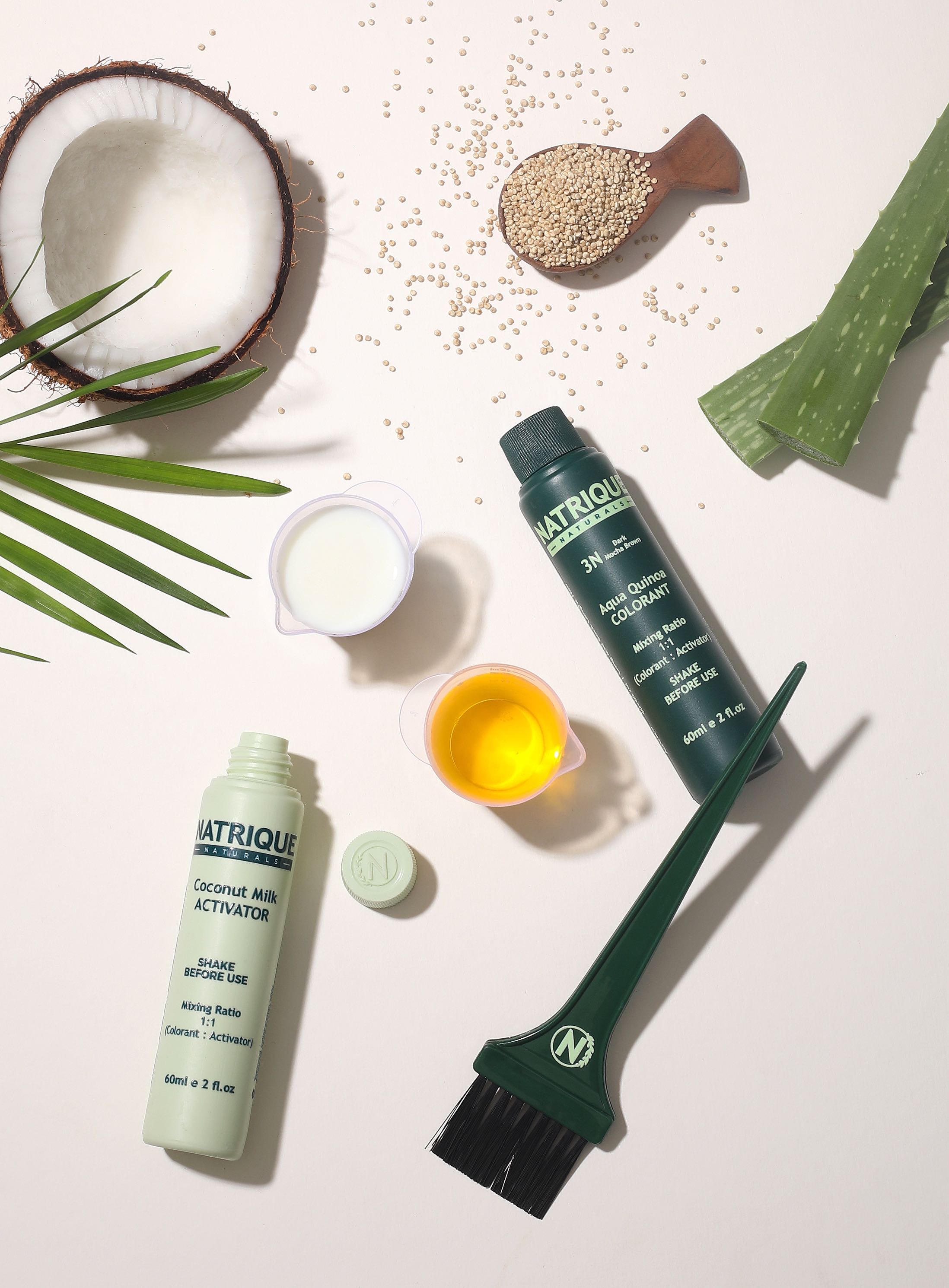
For brands like Natrique Naturals, gel-based formulations align perfectly with a philosophy of performance-driven, nature-inspired hair care.
When Should You Choose Gel-Based Hair Color?
Choose gel-based hair color if you:
- Color your hair regularly
- Have fine or thinning hair
- Experience scalp sensitivity
- Want natural shine and softness
- Prefer ammonia-free or gentle formulations
Final Verdict: Gel-Based vs Cream-Based Hair Color
While both gel-based and cream-based hair colors serve the same purpose, gel-based hair color clearly offers superior benefits in terms of application, comfort, hair health, and long-term results.
For anyone seeking vibrant color without compromising hair integrity, gel-based hair color is the smarter, safer, and more modern choice.
Read More:
Aloe Vera Benefits for Hair: Why It’s a Staple in Hair Care
Rosemary for Hair: Benefits, Uses & How It Supports Hair Growth