How to Choose the Right Hair Color for a Sensitive Scalp
Choosing a hair color can be exciting, but for people with a sensitive scalp, it often comes with hesitation and fear of irritation. Itching, redness, burning sensations, dryness, or allergic reactions are common concerns when using conventional hair dyes. If you’ve ever experienced discomfort after coloring your hair, you’re not alone.
The good news? With growing awareness and advancements in gentle formulations, it’s now possible to find a hair color for sensitive scalp that delivers beautiful results without compromising scalp comfort or hair health.
In this guide, we’ll break down how to choose the right hair dye for sensitive scalp, what ingredients to avoid, what to look for instead, and how to color your hair safely, while keeping your scalp calm, nourished, and protected.
Understanding a Sensitive Scalp
A sensitive scalp reacts more strongly than normal skin when exposed to certain ingredients or environmental factors. This sensitivity can be triggered by:
- Harsh chemical hair dyes
- Allergens like PPD or ammonia
- Dryness or compromised scalp barrier
- Existing scalp conditions (eczema, psoriasis, dandruff)
- Frequent coloring or over-processing
When the scalp’s natural barrier is weakened, it becomes more vulnerable to irritation. This is why choosing the best hair color for sensitive scalp is not just about shade, it’s about formulation.
Why Regular Hair Dyes Can Irritate Sensitive Scalps
Many traditional hair dyes rely on aggressive chemicals to open the hair cuticle and deposit color quickly. While effective, these ingredients can be problematic for sensitive skin.
Common Irritants Found in Conventional Hair Dyes
- Ammonia – Raises the hair cuticle aggressively, often causing burning or itching
- PPD (Para-Phenylenediamine) – A common allergen linked to scalp reactions
- Resorcinol – Can trigger redness and inflammation
- Strong synthetic fragrances – May cause sensitivity or headaches
For someone with scalp sensitivity, repeated exposure to these ingredients can worsen discomfort over time.
What Makes a Hair Dye Suitable for a Sensitive Scalp?
The best hair dye for sensitive scalp focuses on gentle coloring, nourishment, and scalp protection. Instead of harsh chemicals, it supports the scalp’s natural balance.
Key Features to Look For
1. Ammonia-Free Formula
Ammonia-free hair color uses milder alkalizing agents that reduce irritation while still delivering effective color results.
2. PPD-Free or Low-Allergen Options
PPD is one of the most common causes of allergic reactions in hair dye. Choosing a PPD-free hair dye for sensitive scalp significantly lowers the risk of itching and rashes.
3. Enriched with Nourishing Ingredients
Botanical extracts, oils, amino acids, and conditioning agents help soothe the scalp and strengthen hair during the coloring process.
4. Gel or Cream Bases Designed for Comfort
Modern gel-based or conditioning cream hair colors spread evenly, feel lighter on the scalp, and reduce friction during application.
5. Dermatologically Tested & Gentle Fragrance
Products tested for skin safety and formulated with mild or natural fragrance are more suitable for sensitive users.
Types of Hair Color Suitable for Sensitive Scalps
Not all hair colors are created equal. Understanding different types can help you choose what’s safest for your scalp.
1. Ammonia-Free Permanent Hair Color
Ideal for full grey coverage with reduced scalp irritation. These formulas balance performance and comfort.
2. Gel-Based Hair Color
Gel hair color is lighter, spreads smoothly, and minimizes scalp tugging, making it a popular choice for sensitive scalps.
3. Conditioning Cream Hair Color
Cream formulas enriched with nourishing agents provide moisture and protection during coloring.
4. Herbal or Plant-Inspired Hair Color
Often free from harsh chemicals, these are gentler but may offer limited shade range or longevity.
How to Choose the Best Hair Color for Sensitive Scalp
 Here’s a step-by-step approach to selecting the right product:
Step 1: Read the Ingredient List Carefully
Avoid ammonia, PPD, resorcinol, and heavy artificial fragrances.
Step 2: Choose a Brand Focused on Scalp Care
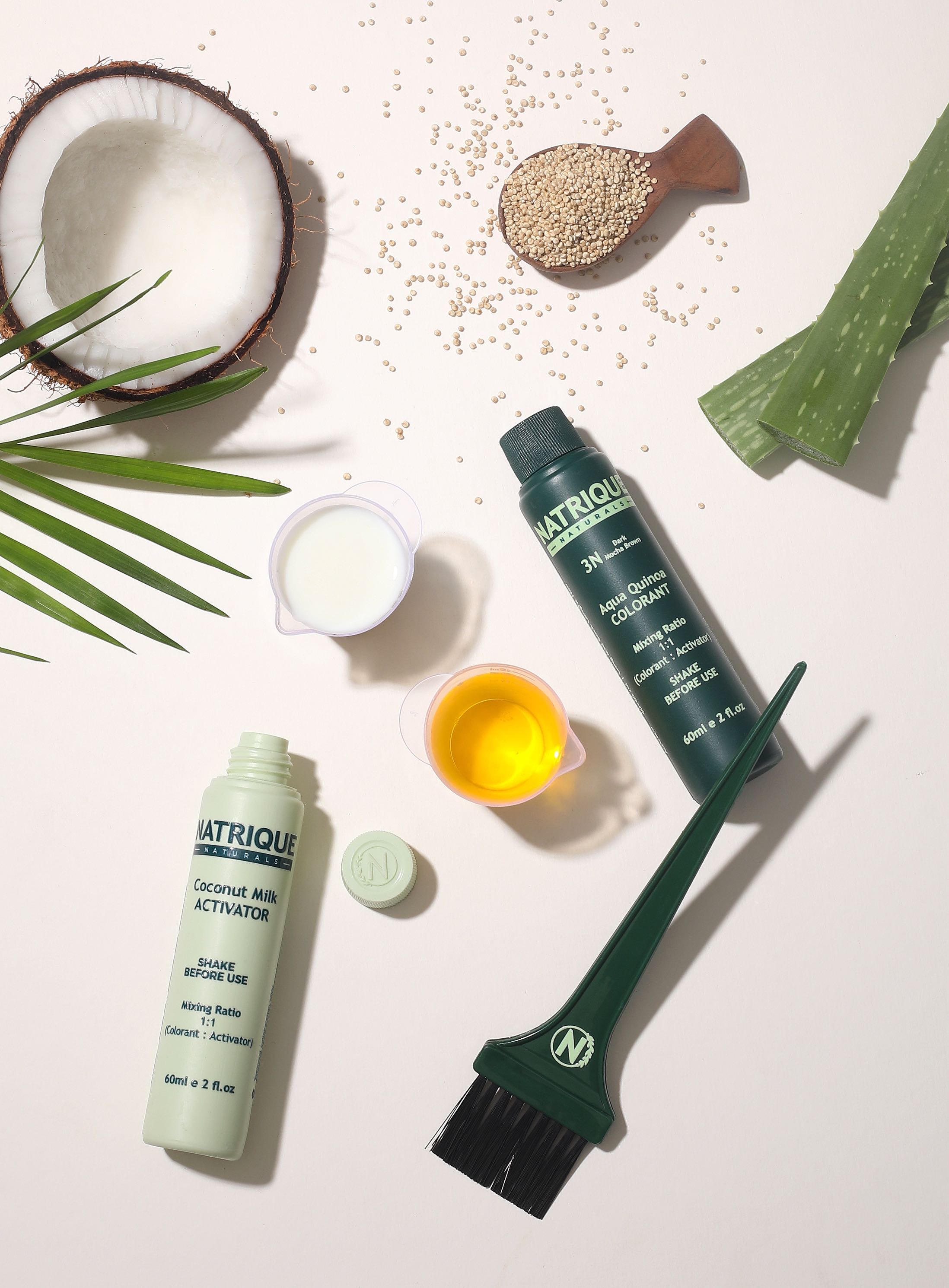
Brands like Natrique Naturals formulate hair color with a scalp-first philosophy, prioritizing nourishment, comfort, and long-term hair health.
Step 3: Always Perform a Patch Test
Even the best hair dye for sensitive scalp can cause reactions in rare cases. A patch test 48 hours before use is essential.
Step 4: Opt for Shades Close to Your Natural Color
Dramatic color changes often require stronger processing. Staying within 1–2 shades of your natural hair is gentler.
Step 5: Avoid Frequent Coloring
Spacing out color sessions gives your scalp time to recover and maintain balance.
Tips for Coloring Hair Safely with a Sensitive Scalp
Even with the right hair dye, how you color your hair matters.
- Do not scratch or wash your hair immediately before coloring
- Apply a protective barrier (like natural oil or conditioner) around the hairline
- Follow processing time strictly, do not overleave
- Rinse thoroughly with lukewarm water
- Use sulfate-free, gentle shampoos post-color
These steps help minimize irritation and keep your scalp calm.
Why Gentle Hair Color Is the Future of Hair Care
Today’s consumers are moving away from harsh beauty solutions and toward conscious, skin-friendly formulations. Hair color is no exception.
A hair color for sensitive scalp is no longer a niche product, it’s becoming the standard for people who value long-term hair and scalp health over quick, aggressive results.
Brands that combine performance with care, like Natrique Naturals, reflect this evolution by offering hair color that respects both beauty and well-being.
FAQs: Hair Color for Sensitive Scalp
1. What is the best hair dye for sensitive scalp?
The best hair dye for sensitive scalp is one that is ammonia-free, PPD-free or low-allergen, enriched with nourishing ingredients, and dermatologically tested for scalp safety.
2. Can people with sensitive scalp color their hair safely?
Yes. By choosing the right hair dye for sensitive scalp and following safe application practices, most people can color their hair comfortably without irritation.
3. Is ammonia-free hair color safe for sensitive scalp?
Ammonia-free hair color is generally much safer for sensitive scalps because it reduces burning, itching, and dryness during and after coloring.
4. Should I avoid permanent hair color if I have a sensitive scalp?
Not necessarily. Many modern permanent hair colors are formulated specifically for sensitive scalps and offer gentle yet effective grey coverage.
5. Why is a patch test important for sensitive scalps?
A patch test helps identify potential allergic reactions before full application, reducing the risk of severe irritation or discomfort.
6. How often should I color my hair if my scalp is sensitive?
It’s best to space coloring sessions at least 4–6 weeks apart and avoid unnecessary touch-ups to give your scalp time to recover.
Final Thoughts
Choosing the right hair color isn’t just about achieving the perfect shade, it’s about protecting your scalp, maintaining hair health, and feeling confident throughout the process.
If you struggle with irritation, itching, or discomfort, switching to a hair dye for sensitive scalp can make all the difference. With gentle, ammonia-free, and nourishing formulations, modern hair color can be both effective and kind.
At Natrique Naturals, the focus on care-driven beauty ensures that coloring your hair doesn’t have to come at the cost of scalp comfort, because true beauty should always feel good too.
Read More:
Gel Hair Color | What Are Amino Peptides? | Aloe Vera Benefits for Hair | Rosemary for Hair | Gel-Based Vc Cream-Based Hair Color | Why Choose Ammonia Free Hair Color?